
Insulin resistance is one of the most widespread, yet silent, health crises of our time. In fact, it often starts years or even decades before someone is formally diagnosed with pre-diabetes or type 2 diabetes.
So, What Exactly Is Insulin Resistance?
Every time you eat, your body breaks down carbohydrates into glucose (sugar) for energy. Your pancreas then releases a hormone called insulin, which acts like a key to unlock your cell doors so that glucose can leave your bloodstream and enter your cells.
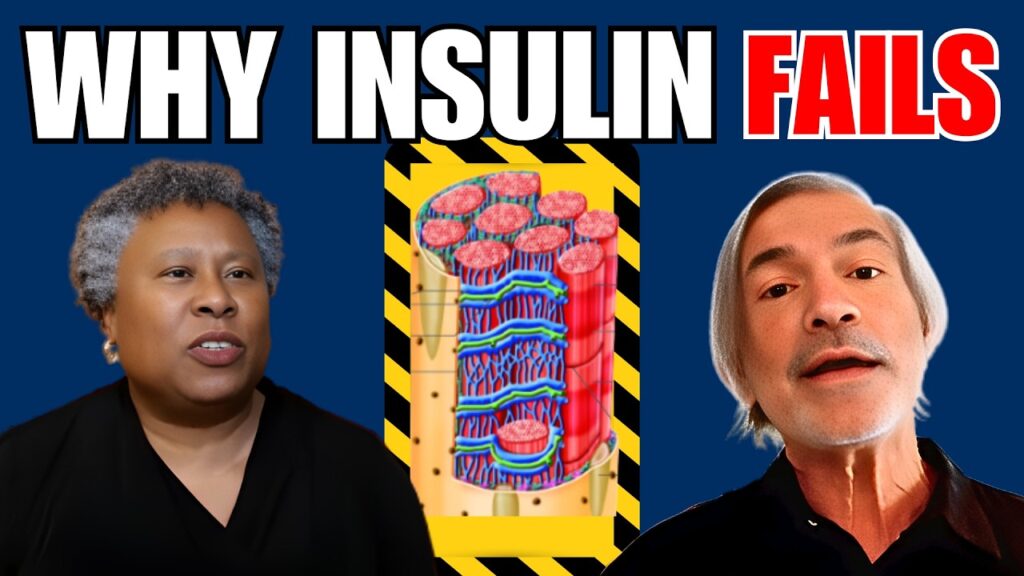
When you develop insulin resistance, your cells become “deaf” to that insulin signal. The keys stop working. To compensate and clear the sugar from your blood, your pancreas has to work on overdrive, pumping out massive amounts of extra insulin. For a long time, your blood sugar numbers might look completely normal on standard lab tests because your body is compensating so aggressively.
The Warning Signals Your Body Is Sending
But behind the scenes, that chronic flood of insulin is causing havoc. Here are the most common warning signals your body is giving you that you have insulin resistance:
Stubborn abdominal weight
Insulin is a primary fat-storage hormone. High insulin levels signal your body to store excess energy as fat, particularly around your belly and organs.
The mid-afternoon energy crash
You experience a severe energy plunge around 3:00 or 4:00 PM, often accompanied by intense cravings for quick carbs or sugar.
“Face plants” after eating
Feeling incredibly sleepy, foggy, or falling into a “food coma” shortly after a normal lunch or dinner.
Elevated triglycerides and high blood pressure
Dual markers of underlying metabolic stress sharing the same hormonal drivers.
What You Can Do About It
If you recognize these symptoms, do not panic. Willpower alone is not a metabolic strategy. To reverse insulin resistance, you must change the metabolic messages you send to your cells.
Start by introducing a “protein and fiber anchor” to every meal. Instead of planning meals around carbohydrates, always ask first: “What is my protein anchor here?” Pair that protein with high-fiber leafy greens or non-starchy vegetables. This simple structure slows down digestion, prevents rapid glucose spikes, and naturally restores your cells’ sensitivity to insulin over time.
Ready to Change What’s on Your Plate This Week?
Stop feeling confused and frustrated about food. Get my practical, food-first starter guide to discover exactly what to eat, what to shift, and how to build highly satisfying meals that lower insulin resistance fast.