
For decades, many individuals have been given a devastating diagnosis of type 2 diabetes and left with the impression that they are facing a progressive, irreversible downhill slide.
But I am here to tell you—both as a licensed naturopathic doctor with 30+ years of clinical experience and an MIT engineering graduate—that your body has an incredible capacity to heal and recover. Type 2 diabetes is not a life sentence, and for many people, it can absolutely be reversed.
What “Reversing” Type 2 Diabetes Really Means
When we talk about “reversing” type 2 diabetes naturally, the clinical term we look for is diabetes remission. This means bringing your Hemoglobin A1C back down into the healthy, non-diabetic range (5.6% or lower) and keeping it there, ideally while reducing or completely eliminating your dependence on prescription medications.
How is this possible? By shifting your focus from managing symptoms to engineering cellular insulin sensitivity.
Type 2 diabetes is fundamentally driven by a spectrum called insulin resistance. Over time, because of modern dietary patterns, chronic stress, lack of sleep, and sedentary lifestyles, your cells become “deaf” to the hormone insulin. Since insulin can’t easily move glucose out of your bloodstream, your pancreas has to pump out increasingly high levels of insulin to get the same job done. Eventually, this compensatory loop breaks down, blood sugar rises, and you receive a type 2 diagnosis.
Reversing this cycle does not require extreme starvation diets, crash deprivation, or 3-day detoxes. True metabolic healing is built on lifestyle consistency over intensity.
The 5 Core Pillars of The Yates Protocol
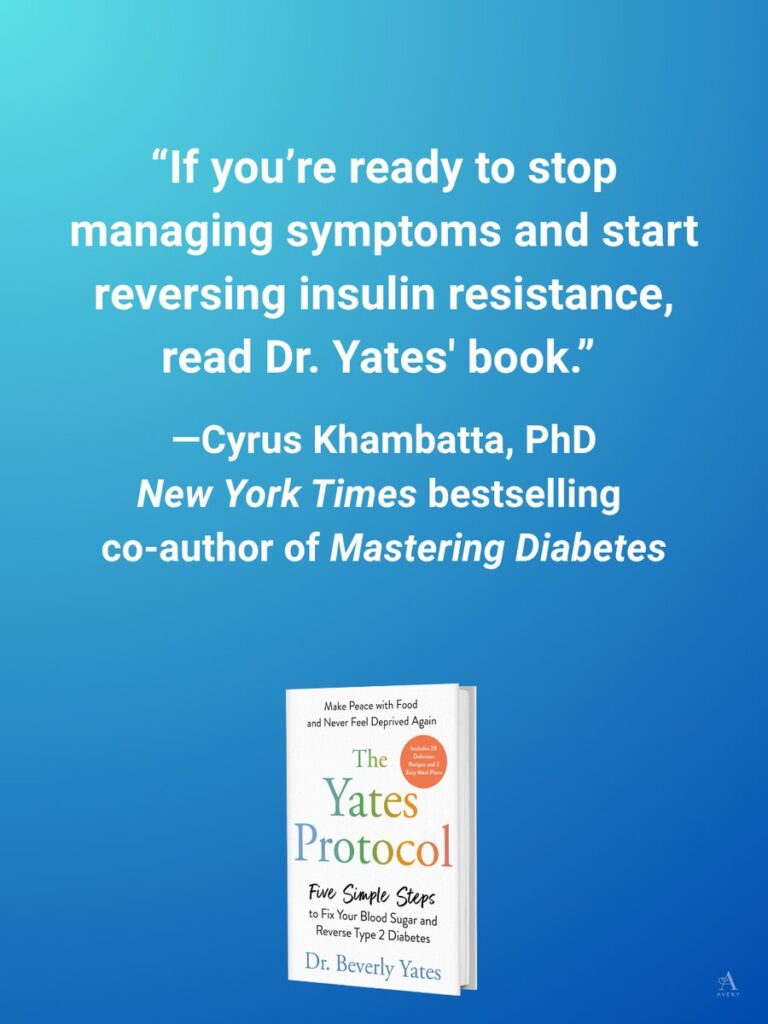
By systematically aligning the 5 Core Pillars of The Yates Protocol, you work with your biology to make your cells “hear” insulin again:
Nutrition
Sequenced eating (proteins and fiber first) to blunt glucose spikes.
Meal Timing
Consistently closing your kitchen after dinner to allow overnight cellular rest.
Sleep Protection
Repairing the hormonal imbalances that fuel next-day insulin resistance.
Stress Management
Stopping cortisol-driven glucose dumps from your liver.
Strength Training
Building active muscle tissue to act as “blood sugar sponges”.
We have watched thousands of patients successfully walk this exact path. You are not powerless, and you do not have to settle for a lifetime of rising medication doses.
Stop Guessing. Build Your Natural Plan.
Are you ready to replace panic with a clear, clinical plan? Download my free guide to discover what is actually happening in your body and the exact natural steps that make the biggest difference in reversing type 2 diabetes.